Sand Pumping Explained: What Voids Under Your House Really Mean
If your floors feel soft or your house is settling, the problem may be empty space where solid ground used to be.
October 14, 2026 · 4 min read
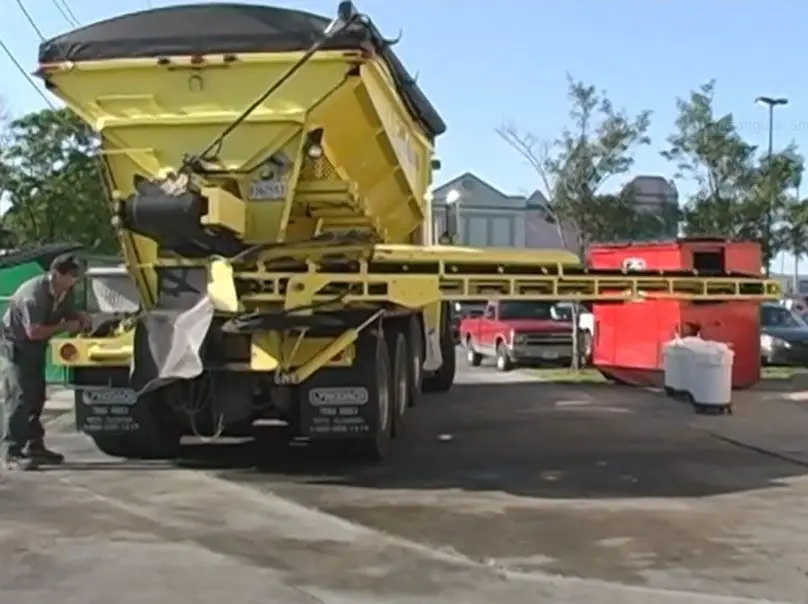
A house is supposed to sit on something solid. When the ground underneath it washes away, shrinks or settles, you end up with a void, an empty pocket of air or standing water where support used to be. You can't see it from the living room, but you can often feel it. Sand pumping is how we fill those voids, and it's one of the things we're known for around Kenner, Metairie and New Orleans.
How voids form under a home
Soil in this part of Louisiana is soft and wet, and it never stops moving. Fill that was packed in when the house was built can compact over time. Heavy rain carries soil away through gaps and low spots. Poor drainage sends water to the same place every storm and cuts a hollow there. A leaking pipe can do the same thing, quietly washing fine soil out from under a slab or a floor for months.
None of these happen overnight. That's why the first sign is often so mild that people live with it for years before they call anyone. A floor that dips a little by the hallway gets blamed on an old house, a door that sticks gets shaved down, and meanwhile the empty space underneath keeps growing. Houses on pilings and houses on slabs can both end up with voids, and the cause is almost always some mix of soft ground and moving water.
What soft floors and settling look like
If you have voids in your flooring, the house will usually tell you. Here's what to look for:
- Floors that feel soft, bouncy or hollow when you walk across them
- A room that slopes, or a marble that rolls to one side
- Doors and windows that stick or won't latch
- Gaps opening between the floor and the baseboard or between the wall and ceiling
- Cracks in tile, brick or plaster that keep growing
- Water that collects in the same spot under or beside the house after rain
One of these on its own might be nothing. Several together usually point to settling, and settling means something under the house is missing.
Why water under a house causes rot
A void doesn't just sit there empty. It becomes a place for water to gather, and water sitting under a home is bad news for anything made of wood. Floor joists, subflooring and beams stay damp, and damp wood rots. The air gets humid, mold has a place to grow and the smell starts working its way up into the rooms.
Rot also doesn't announce itself. Wood can look fine from the surface and be soft when something presses on it. Fixing the voids and getting rid of places for water to collect is a lot cheaper than replacing framing, and it keeps the problem from spreading.
What sand pumping does
Sand pumping means we pump sand from under your home to fill voids in the floor and prevent problems with settling. A truck and conveyor handle the material, and the sand goes in where the ground has gone missing. Filled voids do several jobs at once:
- They protect the pilings you may have under your home
- They protect and support your foundation
- They support your plumbing, so lines aren't hanging in open space
- They remove the empty places where water would otherwise gather
That last point is the one people overlook. The sand doesn't just hold weight, it takes away the standing-water problem that was rotting the wood in the first place.
Plumbing and voids go together
Pipes that run under a house need support too. When the ground drops away, a drain line can sag, pull at a joint and start to leak, and that leak washes out even more soil. It becomes a loop that gets worse every time it rains. Our crews work under houses, in crawlspaces and around slabs every day, so we know what to look for when a floor is telling you the ground has gone. That's one reason we treat the plumbing and the ground as one job. We're plumbers who also pump sand, so when we find a void we also check what's running through it.
Getting an honest look
If your floors are soft or your house is settling, have someone look before it gets worse. We give free same-day estimates, and our owner Mark Peterson, a Louisiana Master Plumber, is on every job. We've been family and locally owned since 1979. You can see more about how it works on our sand pumping page, including our own job video. To book a look at your house, call (504) 461-5193.
Peterson Plumbing & Sand Pumping, (504) 461-5193
Call (504) 461-5193More articles
Signs of a Leak Under Your Slab, and How We Find and Fix It
An underslab leak hides from you, but it leaves clues, and there's a way to fix it without breaking up your floors.
Orangeburg and Cast Iron Sewer Lines in Older New Orleans Homes
If your house is older, the sewer line under it may be a material that was never meant to last this long.